
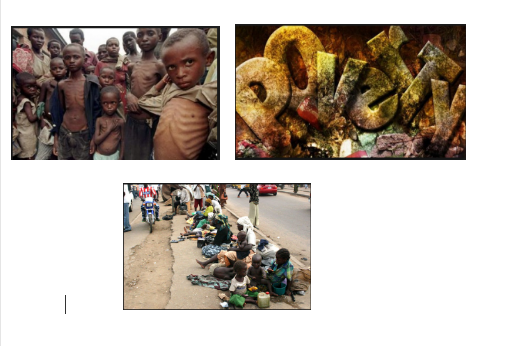
Nigeria has one of the world’s highest economic growth rates, averaging 7.4% according to the Nigeria economic report released in July 2014 by the World Bank and poverty still remains significant at 33.1% in Africa’s biggest economy. Beyond all reasonable doubts, Nigeria is in some ways, a rich country with only Lagos, having a bustling port city of over 20 million people, with an economy bigger than many African countries. Top Five Nigerian billionaires whose combined wealth can eradicate poverty.
 According to a report by Oxfam International published recently, much of these problems could be solved if the country’s richest billionaires clubbed together and shared out their wealth. It would cost $24 billion to eradicate extreme poverty in Nigeria (defined by Oxfam as living on less than $1.90 per day), $5.9 billion less than the total wealth of Nigeria’s five richest people in 2016, according to the report. This extreme inequality, Oxfam noted, must motivate Nigerian leaders to tackle the problem.
Top Five Nigerian billionaires whose combined wealth can eradicate poverty
But with almost 100 million people living on less than $1 per day, extreme poverty remains a major problem in Nigeria. With other factors inclusive, the dreaded Boko Haram insurgency has left around 5 million people in need of urgent food assistance; the U.N. considers the situation in northeast Nigeria to be at risk of escalating into famine.
See also Wizkid becomes first African to win Billboard Music Award [Checkout full list]
And this question comes to mind…how did Nigeria’s mega-rich quintet make their fortunes?
A first case study would be Aliko Dangote who is worth $14.4 billion. The 60-year-old from the Northern state of Kano is the chief executive of the Dangote Group, one of Africa’s largest manufacturing conglomerates, with an annual turnover of $3 billion.
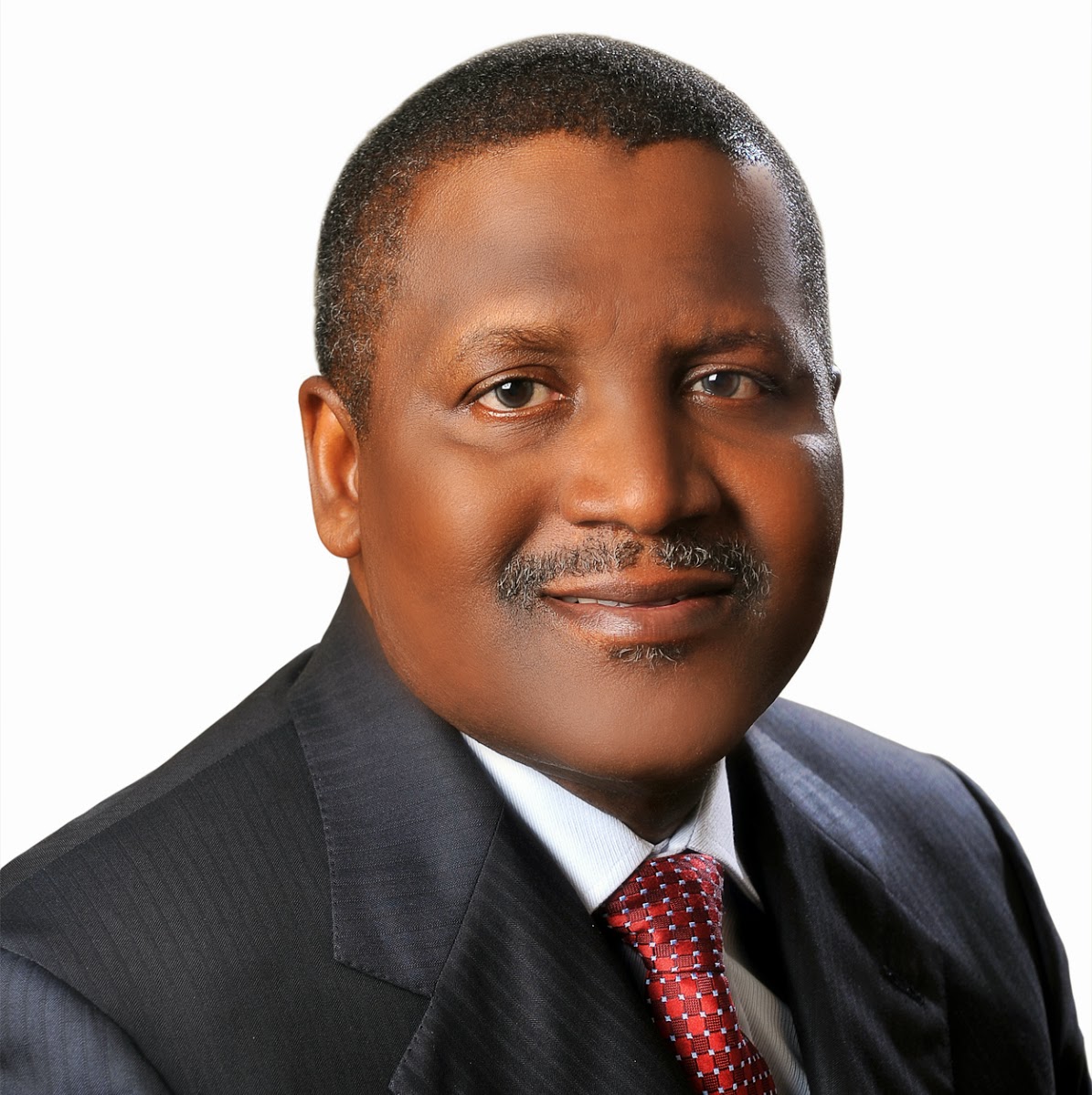
Dangote, a cement magnate, is not only Nigeria’s richest person, but the wealthiest man in Africa. Dangote is also a football fanatic and sometime last year, he declared his intention to buy English Premier League club Arsenal. Moreso, he has also actively supported Nigeria’s recovery from the Boko Haram crisis, pledging $10 million in aid in 2016.
An insight into Mike Adenuga worth $9.9 billion: The 64-year-old billionaire owns six oil blocks in the Niger Delta, a massive oil-producing region in the south of the country that has recently been hit by militant attacks. He is a telecoms and oil billionaire who studied at university in the U.S. and worked as a taxi driver to fund his education.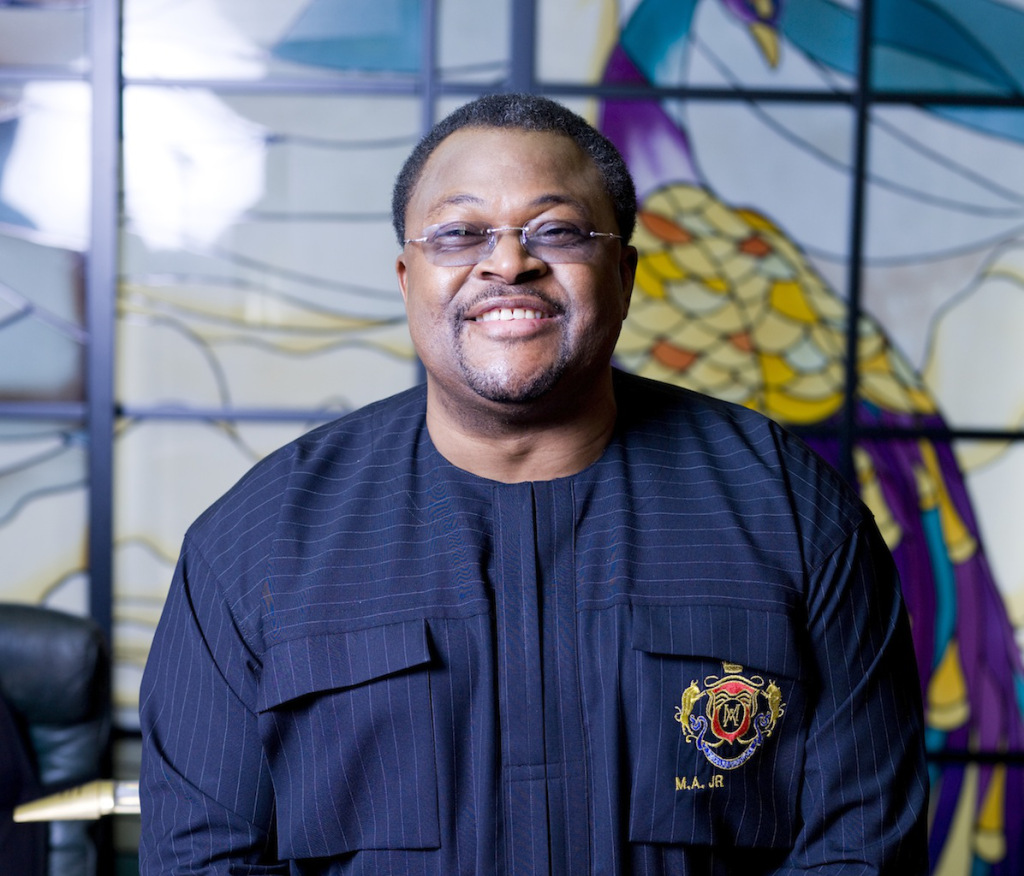
Adenuga’s mobile phone network, Globacom, is the second largest in Nigeria. He founded the Mike Adenuga Foundation, a philanthropic organization which operates across Africa.
The list is incomplete with Femi Otedola who is worth $1.85 billion. At 54, he has made his fortune distributing Nigeria’s black gold: Otedola’s company, Forte Oil, controls more than 500 gas stations across Nigeria. The son of a former governor of Lagos State, Otedola also has interests in power generation and finance.
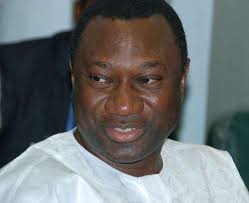
One of his daughters is a popular DJ who played at the inauguration of Nigerian President Muhammadu Buhari. He supports various charitable causes and donated 300 million naira (now worth $95,000) to the construction of a Christian worship center in 2005.
Folorunsho Alakija worth $1.55 billion: She is Nigeria’s first female billionaire who did not go to and University as according to her, it was not her destiny. The 66-year-old business tycoon has earned her wealth in the fashion and oil industries. Her first company was an elite fashion label which produced clothes for the wives of Nigerian leaders, while the oil company she founded, Famfa oil, has a large stake in one of Nigeria’s most lucrative oil blocks.
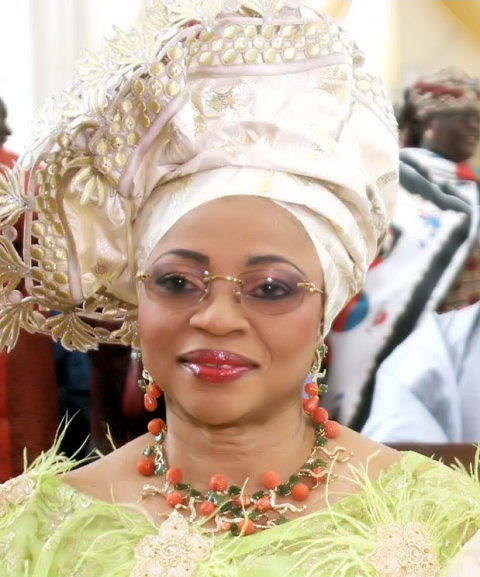
She also heads a foundation that supports widows and orphans in Nigeria.
You may also like Lady shares list of 15 single, married men she has infected with HIV [SEE LIST]
The endless list also sees Abdulsamad Rabiu who is worth $1.1 billion. Rabiu, 56, is the founder of BUA Group; the conglomerate has interests including sugar, rice, edible oil, cement and real estate. His father, Isyaku Rabiu, was arrested in the 1980s under Buhari – then a military ruler in Nigeria – on charges including rice hoarding, and Rabiu took charge of his father’s business during the latter’s detention. His business also has a charitable foundation.
 So…why is Nigeria poor? How come we top list of the wealthiest people in the world yet poverty sinks in our veins like we were born with it? Is it the case of the rich getting richer and the poor getting poorer? What’s our take on this? Do you think their combined wealth eradicate poverty from Nigeria?
For more gists, follow us on Facebook, Twitter, Instagram, Pinterest and Google+.


